
How Dental Exams Help Maintain Overall Health, Not Just Your Teeth
Blog:How Dental Exams Help Maintain Overall Health, Not Just Your Teeth
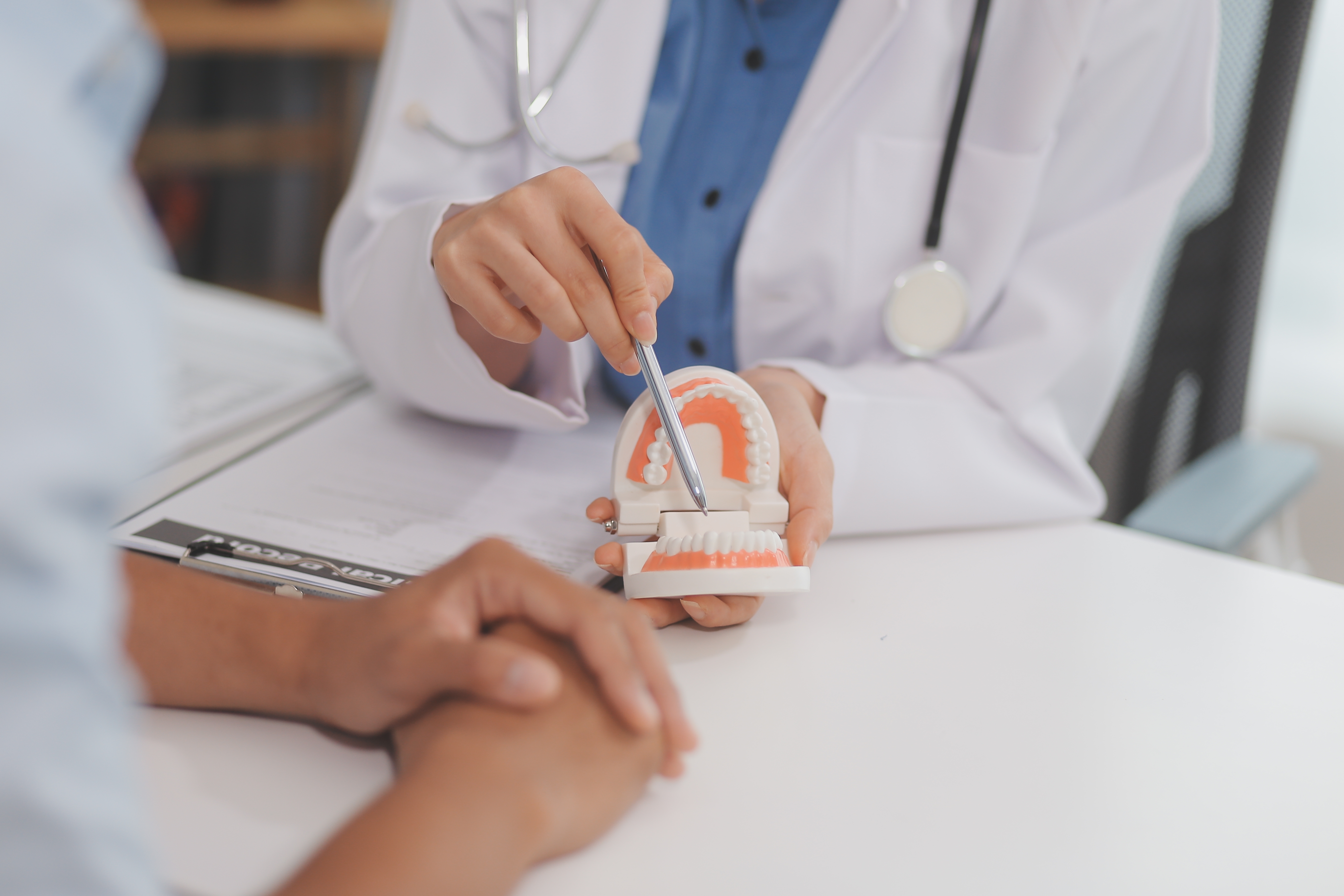
A lot of people think dental exams are only for finding cavities. You might expect your dentist to check for plaque and look at your gums, then send you off with a cleaner smile. But your dentist is actually checking for much more than you might realize.
Your mouth affects your whole body. Regular dental exams can reveal early signs of health problems that go beyond just your teeth.
The Mouth as a Window
The tissues in your mouth have many blood vessels, so they can reflect your overall health. Small changes in your gums, tongue, or cheeks might show problems happening elsewhere in your body.
For example, your dentist might notice pale gums that suggest anemia or a dry mouth that could be related to diabetes or certain medicines. Sometimes, your mouth gives the first signs of a bigger health issue before you feel anything is wrong.
The Gum and Heart Connection
Gum disease begins quietly. Plaque builds up and makes the gums red and swollen. This early stage is called gingivitis. If it is not treated, the infection moves deeper. It spreads to the bone that anchors your teeth. That is periodontitis. But the problem does not always stop there.
Germs that cause gum disease can move into your bloodstream. Once in the blood, they may cause inflammation in other parts of the body. Over time, this can raise the risk of heart disease and stroke. A routine dental exam can catch gum disease long before it gets to this point.
Diabetes and Oral Health
Diabetes and gum disease are connected. These two can make each other worse. Elevated blood sugar opens the door to infections, and the gums are often the first place to show it.
On the other hand, serious gum disease can make it harder to control blood sugar. If your dentist sees red, swollen, or bleeding gums, they might talk to you about your blood sugar.
For some people, a dental checkup is the first sign they have diabetes. Treating gum disease helps your mouth and can also help lower blood sugar in people with type 2 diabetes.
Signs of Nutritional Problems
Your mouth often shows the first clues that your body needs more of certain nutrients. Here are a few signs a dentist may see during your exam:
- Smooth, red patches on the tongue can be a sign of low iron.
- Teeth that look soft or weak may point to a need for more calcium or vitamin D.
- Pale or swollen gums can sometimes be linked to a lack of vitamins, such as vitamin C.
- Cracks at the corners of the mouth might mean you need more B vitamins, like riboflavin.
These signs are not always serious, but they can help you improve your diet or get more tests if needed. Often, your dentist notices these changes before you do.
Screening for Oral Cancer
During every dental exam, your dentist checks your gums, tongue, lips, and cheeks for any unusual spots or sores. A small, painless patch is often the first sign of oral cancer. If it is found early, treatment is easier and more likely to work.
Tobacco and heavy drinking make oral cancer more likely, but it can still affect anyone. This quick, simple screening takes only a minute or two and could save your life.
If you have delayed your next dental visit, consider how it affects your overall health.
To find out more about how dental exams help your overall health, visit Riverside Dental in Fredericksburg, Virginia. Call (540) 373-0711 to make an appointment.
https://medlineplus.gov/lab-tests/dental-exam/
https://dentistry.uic.edu/news-stories/what-can-my-dentist-tell-me-about-my-overall-health/
Quick Links
Helpful Articles
article_category: cosmetic
article_category: eye surgery co-management
article_category: products
article_category: vision therapy
article_category: dogs
article_category: technology
article_category: general
article_category: eye health
article_category: aesthetics
article_category: services
article_category: faqs
article_category: exotic
article_category: large animal
article_category: contact lenses
article_category: surgical procedures
article_category: health
article_category: psychiatry
article_category: conditions
article_category: restorative
article_category: preventative
article_category: cats
article_category: eyeglasses
article_category: ocular disease management
[]
article_category: eye surgery co-management
article_category: products
article_category: vision therapy
article_category: dogs
article_category: technology
article_category: general
article_category: eye health
article_category: aesthetics
article_category: services
article_category: faqs
article_category: exotic
article_category: large animal
article_category: contact lenses
article_category: surgical procedures
article_category: health
article_category: psychiatry
article_category: conditions
article_category: restorative
article_category: preventative
article_category: cats
article_category: eyeglasses
article_category: ocular disease management
[]
Flowbite is an open-source library of interactive components built on top of Tailwind CSS including buttons, dropdowns, modals, navbars, and more.
Check out this guide to learn how to get started and start developing websites even faster with components on top of Tailwind CSS.
All Dental Services
We offer a wide variety of dental services to the Fredericksburg community. Contact us with any questions about our services.

Keep In Touch
For non-urgent questions or to learn more about our services, contact us today!
Quick Links
Contact Info
Hours of Operation
- Monday 8:00am - 5:00pm
- Tuesday 8:00am - 3:00pm
- Wednesday 8:00am - 6:00pm
- Thursday 8:00am - 3:00pm
- Friday 8:00am - 12:00pm
- Saturday Closed
- Sunday Closed
- Emergency Number: 571-236-0871
For emergencies after hours, call or text this number.
- Monday
- Tuesday
- Wednesday
- Thursday
- Friday
- Saturday
- Sunday
- Monday
- Tuesday
- Wednesday
- Thursday
- Friday
- Saturday
- Sunday
© 2026 Riverside Dental. All rights Reserved -
Accessibility Statement
-
Privacy Policy
-
Sitemap
Managed and Designed by 